Types of wood stove, and which one you need
“Wood stove” covers four quite different appliances, and picking the wrong category is a more expensive mistake than picking the wrong model within one.
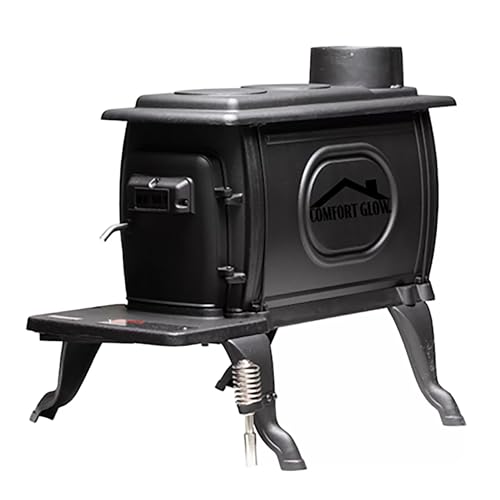
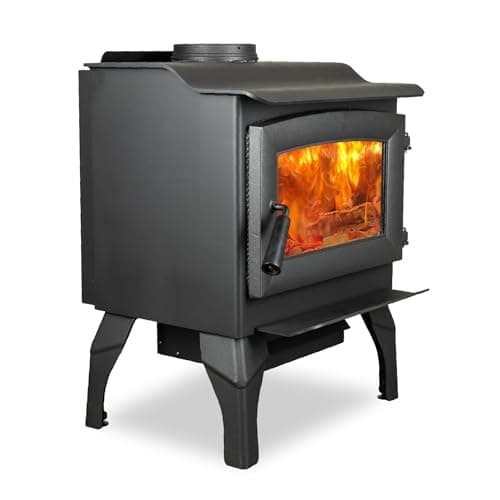
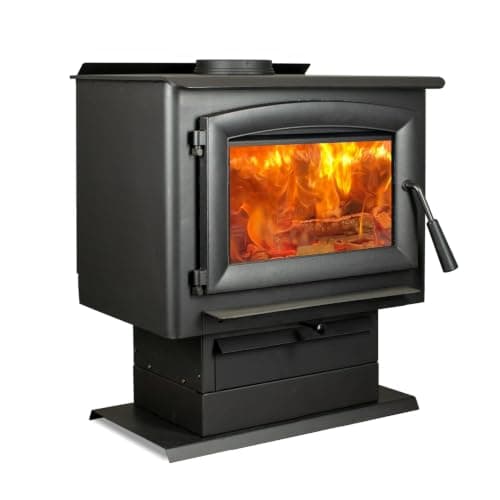
- A freestanding stove stands on a hearth pad and vents into its own flue. The default for heating a room or a house, and what most of the picks above are. See our picks, or stoves with a blower if the heat has to reach other rooms.
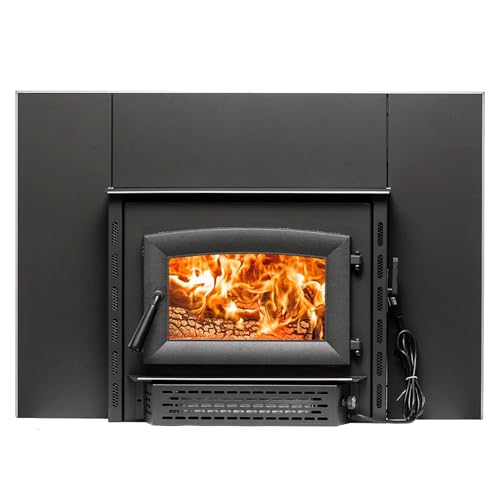
- An insertdrops into an existing masonry fireplace and needs a correctly sized liner up the chimney. The answer if you already have an open fireplace losing most of its heat up the flue — see wood stove vs fireplace.
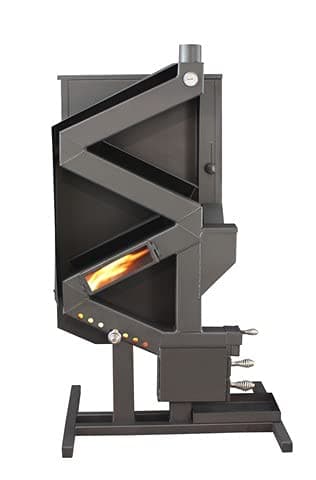
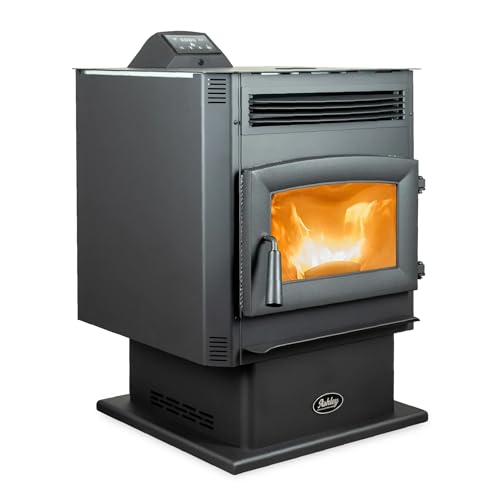
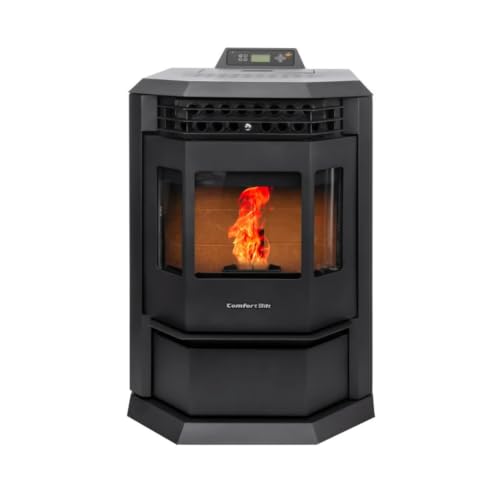
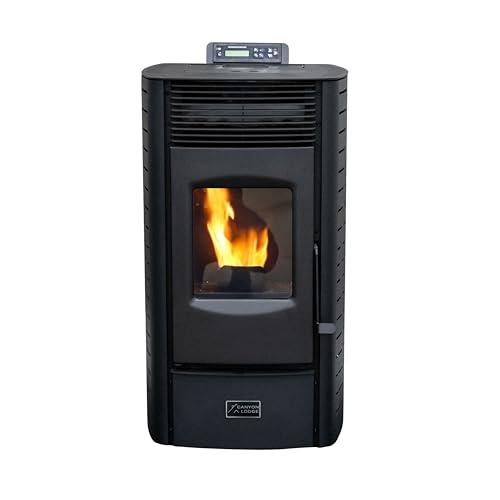
- A pellet stove burns bagged pellets, is thermostatic and fan-forced, and needs mains power to make heat at all. Wood stove vs pellet stove settles that one properly.
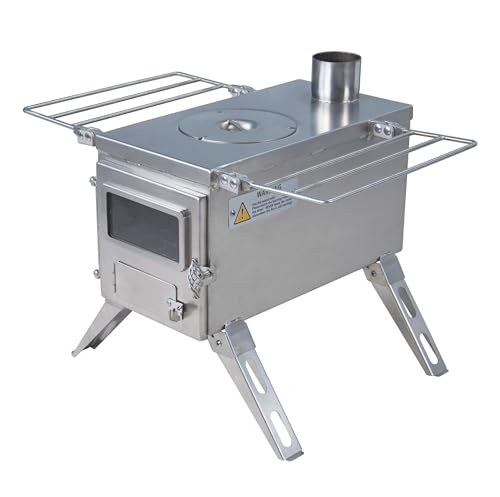
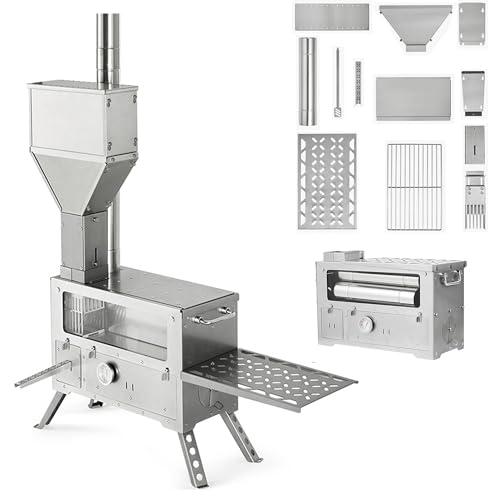
- A tent or camp stoveis thin, light and packable, built to be lit and extinguished daily. Not a heating system for a building — see tent wood stoves.
How to choose a wood stove
Size to the space you want warm, not to the house.The square-footage number on the box is a best case under ideal conditions: an open plan, decent insulation, hardwood at the right moisture, and a stove run hard. An oversized stove is actively worse than an undersized one, because you end up damping it down to avoid cooking everyone out of the room — and a damped-down stove burns dirty, wastes fuel and lays creosote in the flue. We work the sizing through properly in what size wood stove do I need.
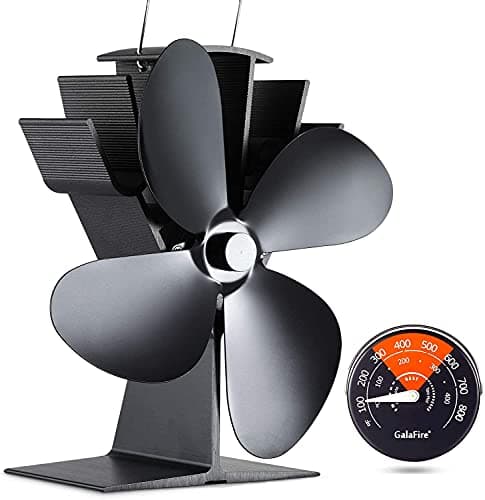
Decide whether you want a blower. It is the single biggest practical difference between two stoves of the same rating. A blower moves heat out of the stove room and into the rest of the house, which is what most people actually want. The trade-offs are that it needs mains power, so it does nothing in an outage, and it is audible in a quiet room. For a single-room cabin or a workshop, skip it.
Freestanding, insert or kit.A freestanding stove is the default and the most flexible — it sits on a hearth pad and vents up a new flue. An insert is the right answer only if you already have a masonry fireplace, and it is the hardest install here, but it turns a hole that loses heat into something that actually warms a room. A barrel stove kit — cast iron door, legs and flue collar bolted to a steel drum you supply — is the cheapest heat per dollar in existence and is not a certified appliance; it belongs in a workshop or a barn, not a dwelling, and your local code almost certainly says so.
Feed it properly or none of this works.The EPA is explicit that wood burns best below 20 percent moisture content and that you should season wood for at least six months, stored outdoors, off the ground, with only the top covered — covering the sides traps moisture in the stack. Burning wet wood in a certified stove throws away the certification in practice: you get less heat, more smoke and a flue that needs sweeping far more often. A seasoning routine and a thirty-dollar moisture meter matter more to real-world performance than the difference between any two stoves on this page.
Then check the local rules before you order.Some jurisdictions restrict new solid-fuel appliances, some insurers require a certificate of installation, and some areas have burn-ban days. None of that shows up on a product listing. If you are heating a workshop or a tent rather than a house, the rules are different again — and a carbon monoxide alarm is not optional in any enclosed space with a fire in it.
New on this hub. Pellet stoves and travel heat: cheapest pellet stoves and most reliable pellet stoves are the two halves of the same decision, while wood stoves for RVs and pellet stoves for camping cover heating a camper or a hot tent, flue and all.
New this week. Seven pages. Sizing first, in what size wood stove you need, which covers 1,000 sq ft, 1,500 sq ft and a large house. Then best budget wood stoves for the most heat per dollar, best small wood stoves for a tiny house or small cabin, and best wood cookstoves for the stoves with a flat, usable top plate. Plus three fuel comparisons: wood stove vs coal stove, wood stove vs gas stove and wood stove vs wood furnace.
Just added. Five pages, starting with the two brand shortlists: best wood stove brands and best pellet stove brands cover who publishes real figures and whose parts you can still buy in five years. Then three for specific situations: best small pellet stoves for a cabin or one room, best wood stove inserts if you already have a fireplace losing heat up the chimney, and safest wood stoves for what certification does and does not cover.