What to buy first, and what to skip
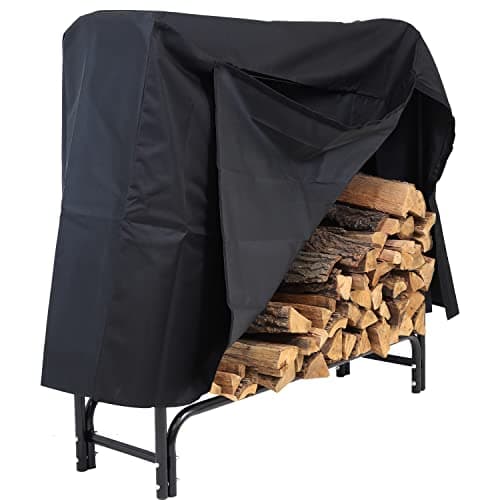
Buy the rack before the pit, if you can.Wood that has been stacked off the ground with only the top covered for six months is a different fuel from wood delivered last week and left in a pile. It lights faster, burns hotter, smokes far less and leaves less ash. That is not a marginal improvement — it is the difference between a pit you use most weekends and one you gave up on. The rack roundup explains why the cover shape matters as much as the rack.
Buy the cover the same day as the pit.Any steel bowl left uncovered through a wet winter will hold water, and water in the bowl is what turns a three-season pit into a two-season one. Sixteen dollars of 600D fabric is the single highest-return purchase on this site. Let the pit cool completely first — a cover on a warm pit melts, and that is the other common complaint in the reviews.
Buy the screen if the pit is near anything. Decking, fencing, a hedge, dry grass, low branches: in any of those situations a spark screen is cheap insurance against the actual risk, which is embers leaving the bowl rather than the fire itself spreading. Be clear about what it does not do: it has no effect on smoke, so it is not a cheap conversion to a smokeless pit.
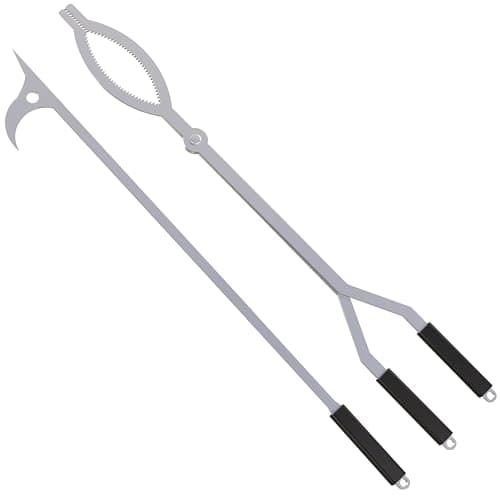
Buy long tools, not a fireplace set. The five-piece wrought iron sets sold for indoor hearths are typically 26 to 30 inches, which is built for standing beside a grate. Over an open fire pit that puts your hand roughly where the heat is. Forty inches is the length that works outdoors, and tongs do far more useful work than a poker, because lifting a burning log is what you actually need to do. An indoor set is still the right buy for a wood stove, where a shovel and brush matter and a 40-inch poker is absurd.
What to skip.Decorative fire pit accessories that do not solve a problem: ornamental log holders smaller than an evening’s wood, novelty flame colourants, and the 20-piece tool kits where you will use two pieces. Also skip buying pellet fuel packs as your main fuel — they are excellent where storing real firewood is unrealistic, and expensive per hour if it isn’t. And if you are running the pit on a deck, the one thing you must not skip is a mat.