Coal & Char

Fire Pit Ideas & Guides

Outdoor fire pit ideas that actually work on a real patio, plus the safety, firewood and smoke guides behind them.

By Stephen V.Last updated How we pick

The best outdoor fire pit ideas are mostly placement ideas, not shopping ideas. Where the pit goes decides more about whether you use it than which pit you bought: a seating circle with three feet of clearance, a surface that will not stain, a flue or a screen if neighbors are close, and somewhere dry to keep the wood. Those four decisions are what these guides are about, and they cost almost nothing to get right before you buy.

Most fire pit problems are fuel problems, and most fire pit danger comes from two things: embers leaving the bowl and a fire that was never properly put out. If you read nothing else here, read fire pit safety and best wood to burn. Between them they cover the clearances, the screen, the four-step method for putting a fire out, and the moisture figure that decides whether your pit behaves.

These guides exist because the product pages can only take you so far. Buying the right pit is maybe a third of the job; the rest is wood that is actually dry, a site with proper clearance, something to put the fire out with, and knowing which of those rules tighten when you are on a deck or under a roof.

Everything here is sourced rather than asserted. Clearance figures and the drown-stir-drown-feel method come from Smokey Bear’s published campfire-safety guidance. Firewood moisture limits, seasoning time and the list of things never to burn come from the EPA’s Burn Wise program. Carbon monoxide figures come from the CPSC. Where we are giving an opinion rather than quoting a source, we say so.

The picks below are the cheap bits of gear these guides keep pointing at — a screen, a moisture meter, a rack with the right cover, a deck mat, gloves. None of them is exciting. All of them do more for how a fire pit actually behaves than another hundred dollars of pit would.

New this week. Are propane fire pits safe? works through the six risks in the order they actually cause problems, and how to start a gas fire pit is the beginner sequence, including the regulator mechanism behind most pits that click and will not light.

How this is funded:we earn a commission if you buy through our links, at no extra cost to you. It never changes which pit or heater we recommend, and we’ll tell you when we’d skip one. Full disclosure.

Quick picks

Ranked on published specs, beginner-friendliness and value. Select a row to jump to the full write-up. We haven’t cooked on every one of these — here is exactly what we do instead.

#ProductBest forPrice
1
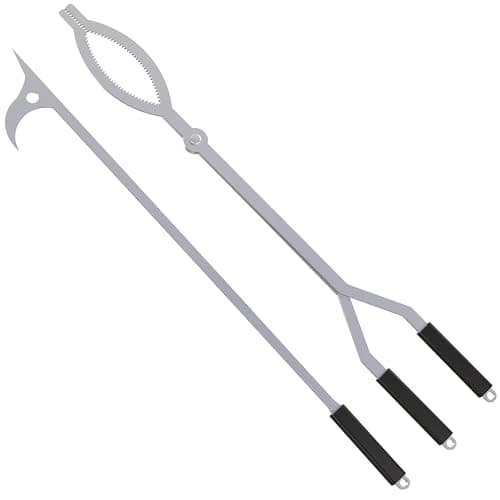
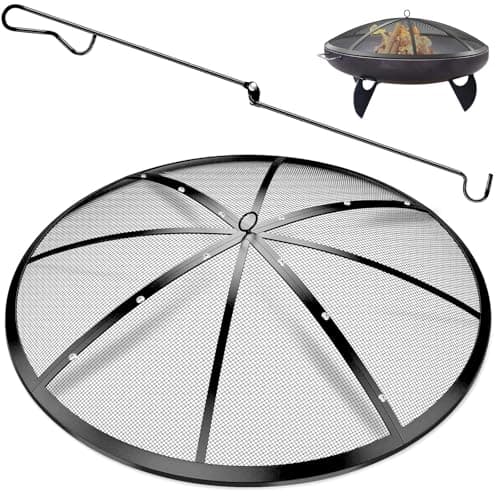
TUSGENK RAY 30-Inch Fire Pit Spark Screen with Handle and Poker

TUSGENK RAY 30-Inch Fire Pit Spark Screen with Handle and Poker

The accessory that turns an open fire bowl into something you can run near a deck, a fence or dry grass with a clear conscience. A spark screen does not stop smoke and does not make a pit smokeless — it stops embers leaving. The handle and poker in this set matter because you will be lifting a hot screen to add wood, and doing that with a stick is how people get burned. Measure the pit's outside diameter first.

The safety buy
$68.98 · View on Amazon

Price as of October 27, 2026. #ad How we’re funded

2
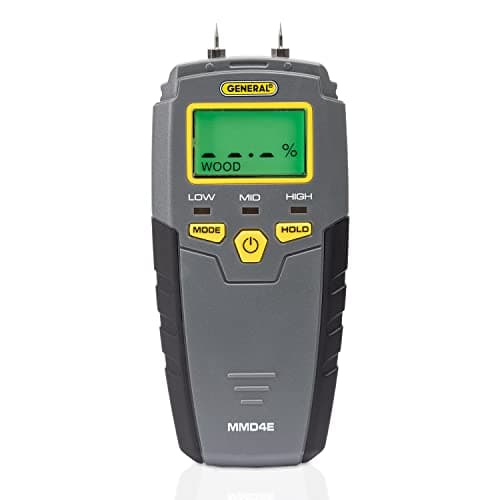
General Tools MMD4E Moisture Meter

General Tools MMD4E Moisture Meter

The EPA's wood-burning guidance is explicit that wood burns best below 20 percent moisture, and this thirty-dollar meter is the only way to know whether the wood you were sold is actually there. It matters more with a smokeless fire pit than with anything else, because the secondary burn that makes those pits smokeless only works properly on dry wood — people blame the pit when the problem is the log. Split a piece and test the fresh face, not the outside.

The wood checker
$39.98 · View on Amazon

Price as of October 27, 2026. #ad How we’re funded

3
Sunnydaze Heavy-Duty Steel 8 ft Firewood Rack with Cover

Sunnydaze Heavy-Duty Steel 8 ft Firewood Rack with Cover

The rack to buy if the wood lives outside all winter, because the cover is included and it is cut to the right shape — a top cover that leaves the ends open. That detail matters: the EPA's own wood-burning guidance is to cover only the top, because wrapping the sides traps moisture in the stack. A tarp thrown over everything is actively worse than no cover at all, and this solves it out of the box.

The seasoning fix
$88.95 · View on Amazon

Price as of October 27, 2026. #ad How we’re funded

4
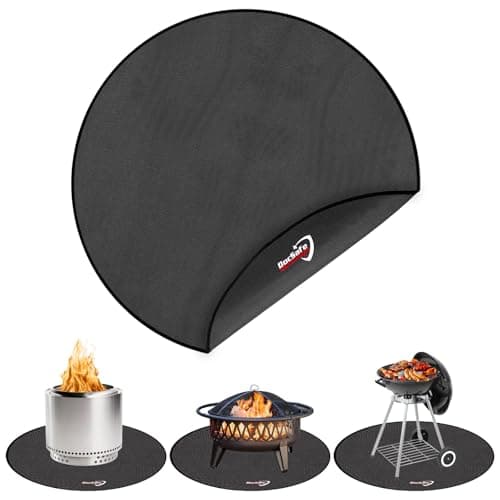
DocSafe 48" Round 4-Layer Fire Pit Mat

DocSafe 48" Round 4-Layer Fire Pit Mat

If the fire pit goes on a wooden deck or composite decking, this is not optional. A mat does two jobs: it catches the embers that escape the bowl, and it puts an insulating layer between radiant heat and a surface that scorches. Forty-eight inches gives a sensible margin around a 30-inch pit. It is not a substitute for the clearance your pit's manual asks for — it is what you use in addition to it.

The decking fix
$25.99 · View on Amazon

Price as of October 27, 2026. #ad How we’re funded

5
TICONN 16" Leather Welding Gloves (1,000°F)

TICONN 16" Leather Welding Gloves (1,000°F)

Sixteen-inch leather gloves cover the forearm, which is the part that actually gets burned when you reach into a fire pit or load a stove. The listing's 1,000°F figure is a material rating, not a license to hold a burning log — treat gloves as protection for brief contact and radiant heat, not insulation. At under twenty dollars they are the cheapest safety item here and the one most likely to get used every single time.

The cheapest protection
$18.99 · View on Amazon

Price as of October 27, 2026. #ad How we’re funded

The picks in full

#1The safety buy

TUSGENK RAY 30-Inch Fire Pit Spark Screen with Handle and Poker

The accessory that turns an open fire bowl into something you can run near a deck, a fence or dry grass with a clear conscience. A spark screen does not stop smoke and does not make a pit smokeless — it stops embers leaving. The handle and poker in this set matter because you will be lifting a hot screen to add wood, and doing that with a stick is how people get burned. Measure the pit's outside diameter first.

What’s good

  • Stops embers leaving the bowl — the actual fire-spread risk
  • Handle and poker included, so you lift it safely
  • 30-inch size fits the common mid-size bowls
  • Cheap insurance next to the cost of the pit

Trade-offs

  • Does nothing about smoke — this is not a smokeless conversion
  • Mesh restricts airflow slightly, so fires burn a little lazier
  • Must be lifted every time you add wood
  • Sizing is to the pit's outer diameter, which people get wrong
TypeRound fire pit spark screen
Size30" round (per the listing)
IncludedHandle and poker, per the listing
MaterialSteel mesh

Specs read from the product listing, on October 7, 2026. “Not published” means the maker doesn’t state that figure there.

#2The wood checker

General Tools MMD4E Moisture Meter

The EPA's wood-burning guidance is explicit that wood burns best below 20 percent moisture, and this thirty-dollar meter is the only way to know whether the wood you were sold is actually there. It matters more with a smokeless fire pit than with anything else, because the secondary burn that makes those pits smokeless only works properly on dry wood — people blame the pit when the problem is the log. Split a piece and test the fresh face, not the outside.

What’s good

  • Answers the one question that decides how your fire behaves
  • EPA guidance is to burn below 20 percent — this tells you if you are
  • Pays for itself the first time you reject a wet delivery
  • Doubles as a damp meter for walls and leaks

Trade-offs

  • Pin meters read the surface — split the log and test the fresh face
  • Readings vary with wood temperature
  • Pins bend if you force them into hardwood
  • Another gadget to keep a battery in
TypePin-type digital moisture meter
ModelMMD4E
UseWood, walls and water leak detection, per the listing
Measuring rangeNot published on this listing

Specs read from the product listing, on October 7, 2026. “Not published” means the maker doesn’t state that figure there.

#3The seasoning fix

Sunnydaze Heavy-Duty Steel 8 ft Firewood Rack with Cover

The rack to buy if the wood lives outside all winter, because the cover is included and it is cut to the right shape — a top cover that leaves the ends open. That detail matters: the EPA's own wood-burning guidance is to cover only the top, because wrapping the sides traps moisture in the stack. A tarp thrown over everything is actively worse than no cover at all, and this solves it out of the box.

What’s good

  • Cover included and shaped to cover the top, not the ends
  • Matches EPA guidance on seasoning wood outdoors
  • Black finish rather than bare steel
  • Full 8 ft length

Trade-offs

  • Fixed 8 ft length — no adjustment
  • Fabric cover is the part that wears out first
  • Load rating is not published
  • Assembly needs two people to hold it square
TypeOutdoor firewood rack with cover
Length8 ft (per the listing)
MaterialHeavy-duty steel
Cover includedYes, per the listing

Specs read from the product listing, on October 7, 2026. “Not published” means the maker doesn’t state that figure there.

#4The decking fix

DocSafe 48" Round 4-Layer Fire Pit Mat

If the fire pit goes on a wooden deck or composite decking, this is not optional. A mat does two jobs: it catches the embers that escape the bowl, and it puts an insulating layer between radiant heat and a surface that scorches. Forty-eight inches gives a sensible margin around a 30-inch pit. It is not a substitute for the clearance your pit's manual asks for — it is what you use in addition to it.

What’s good

  • 48 inches leaves real margin around a 30-inch pit
  • Four layers rather than a single fiberglass sheet
  • Catches escaping embers as well as blocking radiant heat
  • Rolls up for storage

Trade-offs

  • Not a substitute for the clearance stated in your pit's manual
  • Will discolor where the pit's legs sit
  • Can trap moisture against decking if left down permanently
  • Temperature rating is not published on this listing
TypeRound fire pit deck protection mat
Size48" round (per the listing)
Construction4-layer, per the listing
Temperature ratingNot published

Specs read from the product listing, on October 7, 2026. “Not published” means the maker doesn’t state that figure there.

#5The cheapest protection

TICONN 16" Leather Welding Gloves (1,000°F)

Sixteen-inch leather gloves cover the forearm, which is the part that actually gets burned when you reach into a fire pit or load a stove. The listing's 1,000°F figure is a material rating, not a license to hold a burning log — treat gloves as protection for brief contact and radiant heat, not insulation. At under twenty dollars they are the cheapest safety item here and the one most likely to get used every single time.

What’s good

  • 16-inch cuff protects the forearm, not just the hand
  • Leather rather than coated fabric — it will not melt
  • Listing states a 1,000°F rating
  • Cheap enough to own two pairs

Trade-offs

  • A heat rating is for brief contact, not sustained grip
  • Thick leather costs you dexterity
  • Leather stiffens after it gets wet
  • Sizing on welding gloves runs large
TypeLeather heat-resistant gloves
Length16" (per the listing)
Heat rating1,000°F (per the listing)
MaterialLeather

Specs read from the product listing, on October 7, 2026. “Not published” means the maker doesn’t state that figure there.

Go deeper in Guides

Narrower picks, model reviews and guides for exactly what you’re shopping for.

The four rules that cover most of it

One: clear the site properly before you light anything. Smokey Bear’s published guidance is to clear at least a 10-foot diameter around the fire site, stay at least 15 feet from tents, vegetation and low-hanging branches, and keep vertical clearance of at least three times the height of the flames. That vertical figure is the one people forget, and overhanging branches are the single most common thing people site a pit under without noticing. Full detail in fire pit safety.

Two: burn wood under 20 percent moisture.The EPA is explicit that wood burns best below 20 percent moisture content, and that you should season it for at least six months stored outdoors, off the ground, with only the top covered — covering the sides traps moisture in the stack. Wet wood is why fires smoke, why they are hard to light, why they give less heat, and why a “smokeless” pit sometimes isn’t. See how to season firewood and how to make a fire pit less smoky.

Three: never burn the things on the EPA’s list. Household trash, cardboard, coated, painted and pressure-treated wood, plywood and particle board, ocean driftwood, wet or rotted or moldy wood, plastic, rubber. These are not aesthetic preferences; several of them release genuinely toxic smoke. The full list and the reasoning is in best wood to burn in a fire pit.

Four: put it out properly — drown, stir, drown, feel. Pour water on until the hissing stops, stir the water right through the embers with a shovel, keep adding water until all the material is cool, then hover the back of your hand over the ashes to check. Dirt or sand alone does not do it: it insulates embers rather than killing them, and they can still be alive hours later. Step by step in how to put out a fire pit.

The two situations where the rules get stricter

On a deck, everything tightens: you want the pit raised on legs or a stand, a fire pit mat underneath, a spark screen on top, and ideally a propane bowl rather than an open wood fire because there are no flying embers. Composite decking scorches at lower temperatures than timber, so check the decking manufacturer’s own guidance as well as the pit’s. Can you put a fire pit on a deck works through it.

Under a roof or in a tent, carbon monoxide becomes the governing risk rather than fire spread. The CPSC reports that more than 200 people in the United States die every year from accidental non-fire CO poisoning associated with consumer products, and recommends battery-operated CO alarms, or alarms with battery backup, on every level of a home and outside sleeping areas. Any fuel-burning heater in a partly enclosed space needs an alarm with it — carbon monoxide and outdoor heaters covers which heaters are safe where.

New guides. Is a propane heater safe indoors? is the safety answer for anyone about to run gas heat in a room, a garage or a camper, and how a wood burning stove works explains draft, primary and secondary air in plain terms before you spend anything on a stove.

Just added. Do smokeless fire pits work? answers the question first-time buyers actually ask, with the one condition nobody puts on the box. How to start a wood stove is the top-down method step by step, plus the thirty-second fix for a cold flue that pushes smoke back at you. And how long does a propane heater last separates run time per tank from service life in years — and the second one is mostly down to keeping water out of it.

Frequently asked questions

How far should a fire pit be from a house or fence?

Smokey Bear's guidance for an outdoor fire is to clear at least a 10-foot diameter around the site, stay at least 15 feet from tents, vegetation and low-hanging branches, and keep vertical clearance of at least three times the height of the flames. Your local burn rules, HOA and the pit's own manual may be stricter, and where they are, they win.

What is the best wood to burn in a fire pit?

Seasoned hardwood — oak, ash, hickory, maple, birch — burns longest and leaves the best embers. But species matters far less than moisture: the EPA says wood burns best below 20 percent moisture content. A dry softwood fire beats a wet hardwood one every time. Never burn treated, painted or coated wood, plywood, particle board, driftwood or household trash.

How do I put out a fire pit properly?

Drown, stir, drown, feel. Pour water on until the hissing stops, stir the water right through the embers with a shovel, keep adding water until all the material is cool, then hover the back of your hand over the ashes to confirm. Dirt or sand alone insulates embers rather than killing them, and they can stay alive for hours afterwards.

Can I put a fire pit on a deck?

Often yes, with conditions: a pit raised on legs or a stand, a fire pit mat underneath, and a spark screen on top. A propane bowl is lower-risk than an open wood fire because there are no flying embers. A large open wood bowl sitting directly on timber is a straight no. Composite decking scorches at lower temperatures than timber, so check its manufacturer's guidance too.

Do I need a carbon monoxide alarm with an outdoor heater?

If the heater burns fuel and the space is even partly enclosed — a covered porch, a garage, a tent, an ice shelter — then yes, always. The CPSC reports more than 200 accidental non-fire CO deaths a year in the United States linked to consumer products and recommends battery-operated CO alarms or alarms with battery backup. Electric infrared heaters produce no combustion products and are the right choice under a roof.

Sources

  • Smokey Bear — Campfire Safety — The official “Drown, Stir, Drown, Feel” method for extinguishing an outdoor fire — “Pour lots of water on the fire until the hissing sound stops, drowning all the embers,” stir the water into the embers with a shovel, keep adding water until all material is cool, then “Hover the back of your hand over the ashes to feel that the embers are cool.” The same page gives the siting rules: clear “at least a 10-foot diameter around the site,” “stay at least 15 feet from tents, vegetation, and low-hanging branches,” and “ensure you have vertical clearance at least 3 times the height of the flames” (accessed October 7, 2026)
  • EPA Burn Wise — Best Wood Burning Practices — EPA on firewood: “Wood burns best at a moisture content of less than 20 percent,” and “Season wood for at least six months. Be sure to store wood outdoors, off the ground, with only the top covered -- covering the sides traps in moisture.” The same page lists what must never be burned, including household trash, “coated, painted, and pressure-treated wood,” plywood and particle board, driftwood, and “wet, rotted, diseased, or moldy wood” (accessed October 7, 2026)
  • CPSC — Carbon Monoxide Information Center — The US Consumer Product Safety Commission on carbon monoxide: “More than 200 people in the United States die every year from accidental non-fire related CO poisoning associated with consumer products,” and its standing recommendation to “Install battery-operated CO alarms or CO alarms with battery backup on every level of the home and outside sleeping areas” (accessed October 7, 2026)

Elsewhere on Coal & Char