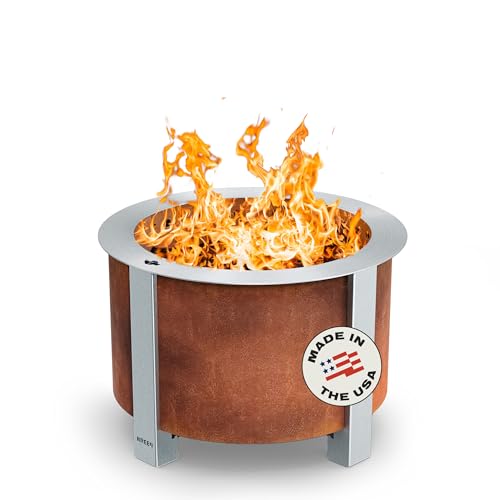
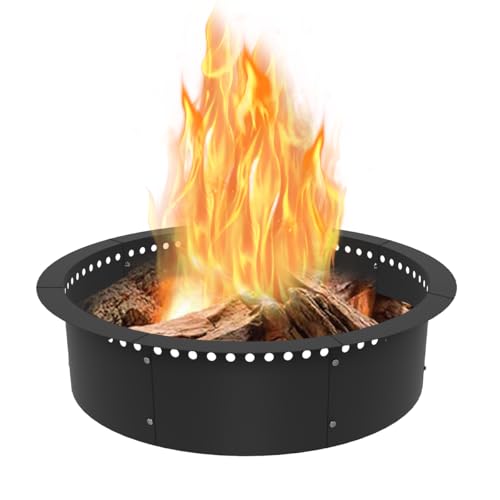
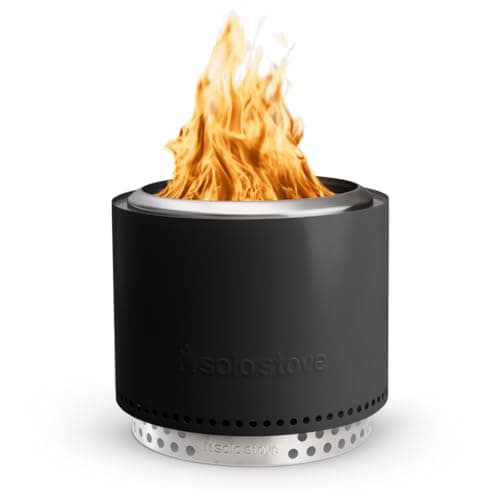
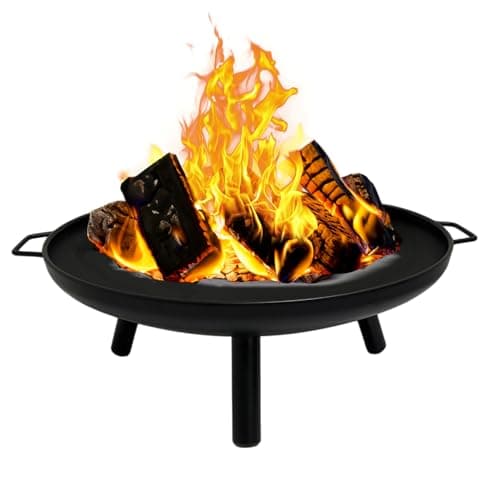
Best fire pits under $200
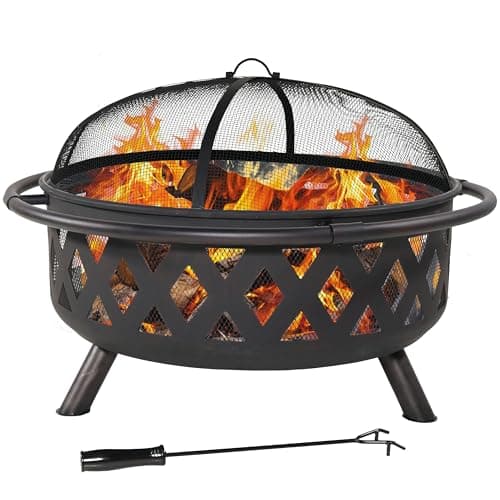
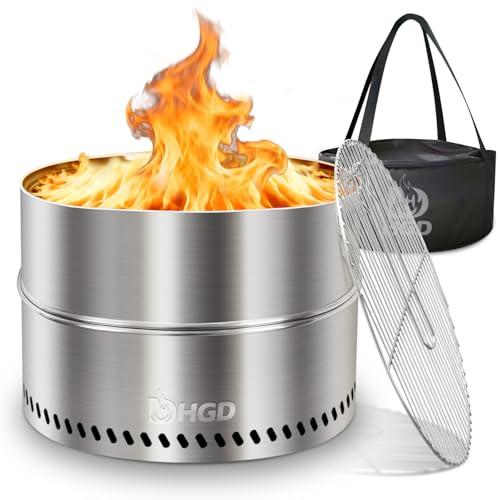
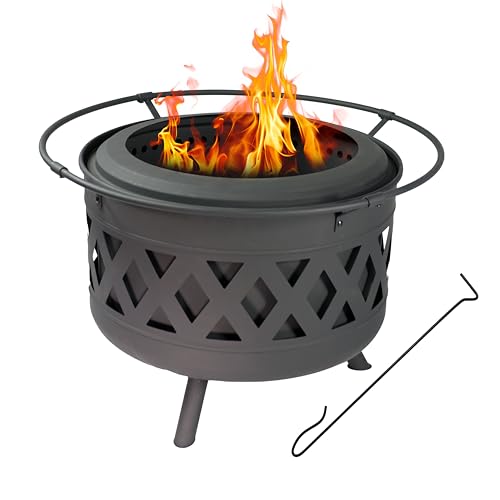
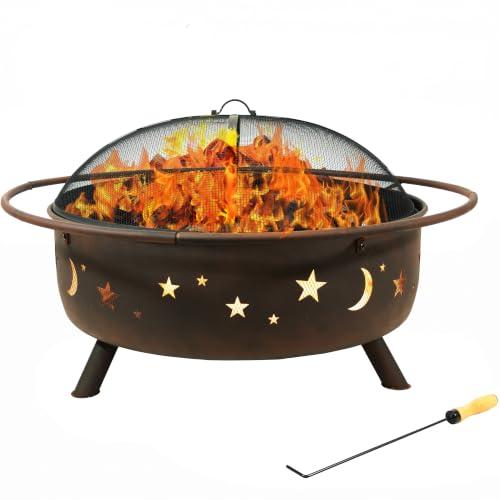
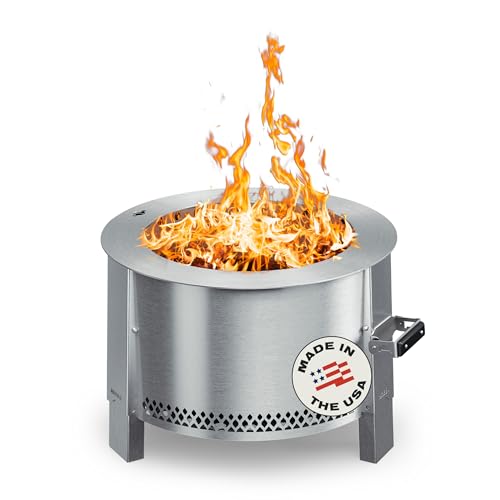
The cheapest fire pit worth owning is the Yaheetech 30-inch, and the most fire per dollar under two hundred dollars is the Sunnydaze Crossweave 36. Both are above, both are real pits rather than ornaments, and the gap between them is six inches of diameter — which at this end of the market is the only specification that reliably buys you more warmth.
What a sub-$200 budget genuinely gets you: a steel bowl with a decent diameter, a spark screen on some listings, and a fire that is indistinguishable from an expensive one for the first hour. What it does not get you is a double-wall smokeless burn, a thick weathering-steel wall, or a finish that still looks good after three winters uncovered. Painted steel at this price goes patchy within a season or two outdoors, and that is the honest trade rather than a defect.
The two things worth knowing before you spend at this level. First, diameter beats brand: a plain 36-inch bowl throws a noticeably wider circle of heat than a 19-inch premium pit costing three times as much, so if warmth is the goal, buy inches. Second, spend the last twenty dollars on a cover rather than on a bigger pit — water standing in the bowl all winter is what actually kills budget fire pits, and a cover costs a tenth of the pit it saves. If your budget is this tight, a fire pit ring is the other route: a steel liner for a surround you build yourself gives you 28 or 36 inches of fire for even less money.
Budget for the circle, not just the pit
The thing that decides whether a fire pit gets used weekly or becomes a planter is rarely the pit. It is whether there is somewhere comfortable to sit, dry wood to burn, and a cover to keep water out of the bowl. Those three together cost less than most of the pits above. Start with chairs— and leave about three feet between the pit edge and the front of them, because synthetic outdoor fabric melts rather than scorches.
How to choose a fire pit
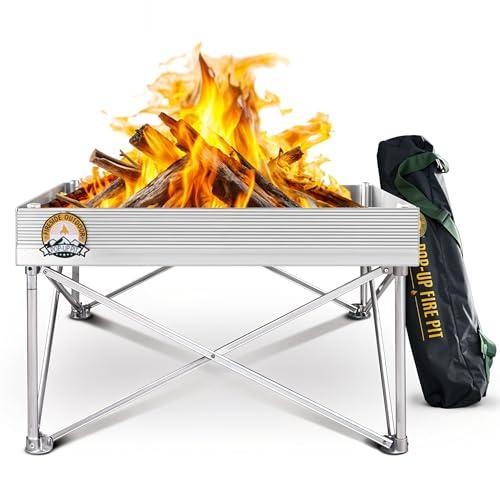
Start with where it will live, because that question rules more options out than any other. A pit on a wooden or composite deck needs legs, a mat underneath and a spark screen on top, and a big open bowl sitting flat on timber is a straight no — we work through that in can you put a fire pit on a deck. A pit on gravel or paving has almost no constraints. A pit that has to move between a patio and a car wants to be under about 20 inches and light, which points at the portable picks.
Then size it to your seating, not to your garden. Roughly, 19 to 22 inches suits three or four chairs, 25 to 30 inches suits four to six, and 36 inches and up is for eight or more in an open space. Buying bigger than you need just burns more wood for the same evening. Before you commit to any diameter, check you have the clearance: Smokey Bear’s published guidance is to clear at least a 10-foot area around the site, stay at least 15 feet from tents, vegetation and low-hanging branches, and keep vertical clearance of at least three times the height of the flames.
Only then decide about smoke. A double-wall “smokeless” pit draws air up between its two skins, preheats it and feeds it back in above the fire, which burns off most of the smoke particles. It works, and it costs roughly two to three times as much per inch of diameter as a plain bowl. It also only works properly on dry wood — the EPA’s guidance is that wood burns best below 20 percent moisture content, and a wet log smokes in a smokeless pit exactly as it does anywhere else. If you buy smokeless, buy the right wood with it or you have wasted the money.
Finally, weigh material against where it sleeps. Painted steel is cheap and will go patchy in a season or two outdoors uncovered. Stainless stays bright and discolors around the burn ring. Corten weathers to a stable rust-brown patina and is the right choice for a pit that lives outside permanently — just not on pale concrete, which it will stain as it settles. Cast iron outlasts all of them and weighs accordingly. Whichever you pick, a sixteen-dollar cover is the cheapest thing you can do to extend its life, because water sitting in the bowl all winter is what actually kills fire pits.
If wood fires are banned where you live, or you want the thing on and off with a knob, the answer is a propane fire pit instead — and if what you actually want is to warm people rather than to have something to look at, read patio heater vs fire pit before you buy either.
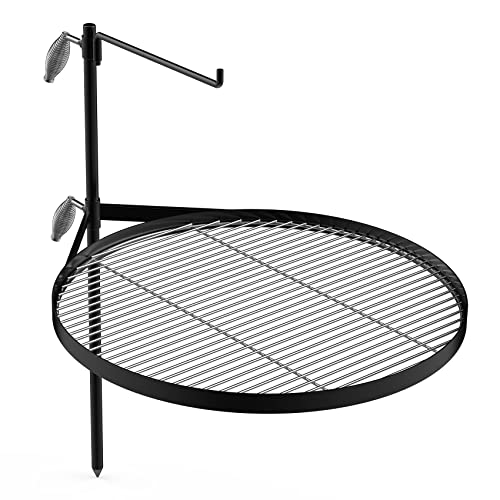
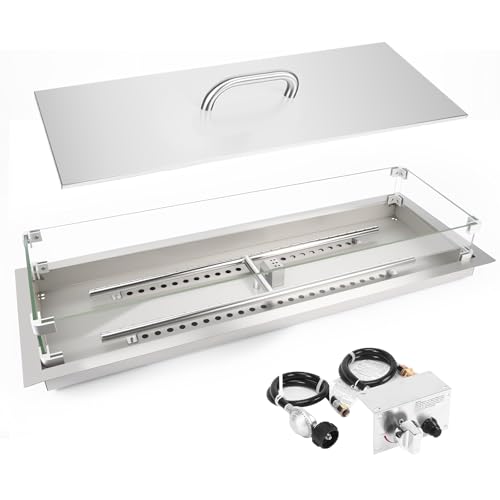
New on this hub. Three pages added in October: best fire pit grills for the swivel and drop-in grates that go over a wood fire and the wide bowls that take them, best fire pit kits for gas burner kits and boxed block kits if you are building something permanent, and best fire pits for small patios for anyone working with twelve feet of paving and a fence.
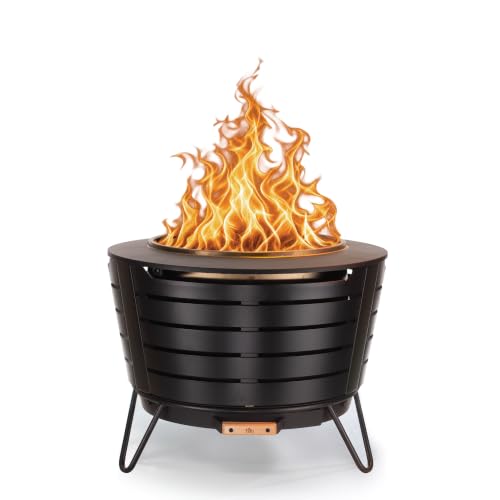
New this week. Two pages: best fire pits for apartment balconies, written around what a lease actually allows, and a TIKI fire pit review for anyone weighing the 25-inch TIKI against a Solo Stove.
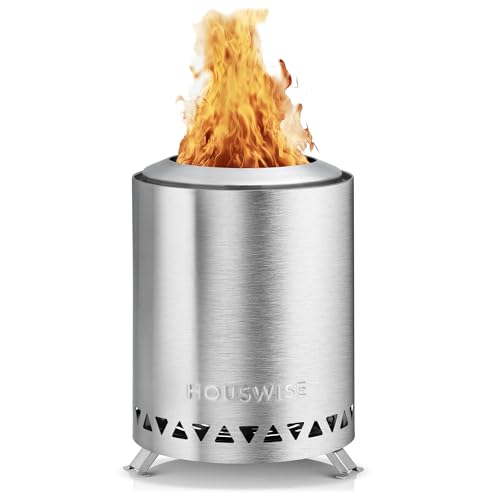
Just added. Two pages for the smallest end of the range: best tabletop fire pits for a table, a balcony or a flat with no garden — including the propane tabletop units that actually give off heat — and a Housewise fire pit review, which covers the one unit that brand lists, the spelling that makes it hard to find, and the three bowls worth weighing against it.