Coal & Char

Best Fire Glass for a Fire Pit

Fire glass is the cheapest thing you will ever buy for a gas fire pit and the easiest to overspend on. Here is which size to buy, how much, and when lava rock is the smarter purchase.

By Stephen V.Last updated How we pick

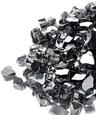
Buy the GASPRO 20 lb bag of half-inch black glass and stop thinking about it. Half an inch is the piece size that works in an open outdoor burner — small enough to spread level across the ring, heavy enough that wind does not drift it and a garden hose does not wash it out of the pan. Twenty pounds in one bag is also the cheapest route per pound to a filled burner, and buying one big bag instead of two small ones is the single easiest way to spend less on this.

Buy the NUPICK 20 lb bag instead if it is cheaper on the day. It is the same stated spec — tempered, 1/2 inch, reflective black — for a little less, and the two are close enough that the live price should decide it. Check both cards below; they are dated.

And if the burner is shallow or linear, buy quarter-inch glass, which is what the Mr. Fireglass and Stanbroil bags are. Half-inch pieces sit proud of a shallow pan and look wrong; quarter-inch packs flat and gives an even flame across a narrow tray.

The honest budget answer is not glass at all. It is lava rock. Volcanic rock was the cheapest media per pound here on the dated run, and the bigger saving is the one nobody prints: porous rock weighs less per unit volume, so a pound of it fills noticeably more pan than a pound of glass. It does the same two jobs — spread the flame, hide the burner ring — and it simply does not sparkle. On this site that matters, because the buyer we write for wants ninety percent of the result for a fraction of the money, and media is one of the few parts of a gas fire pit where that trade costs you almost nothing.

Below: five bags of glass and two of lava rock, ranked. We own none of them and have burned none of them. Every figure here is one the listing itself publishes, read on a dated visit; where a listing is silent — and on coverage depth, every single one of them is — the spec table says “Not published” rather than carrying a number we invented. Prices are live and dated on each card.

How this is funded:we earn a commission if you buy through our links, at no extra cost to you. It never changes which pit or heater we recommend, and we’ll tell you when we’d skip one. Full disclosure.

Quick picks

Ranked on published specs, beginner-friendliness and value. Select a row to jump to the full write-up. We haven’t cooked on every one of these — here is exactly what we do instead.

#ProductBest forPrice
1
GASPRO 20 lb Black Fire Glass, 1/2" Reflective

GASPRO 20 lb Black Fire Glass, 1/2" Reflective

The bag to buy if you only want to buy one. Twenty pounds of half-inch glass is enough to fill most round bowls and the shallower rectangular burners to a sensible depth, and buying one 20 lb bag is almost always cheaper per pound than two 10 lb bags of the same glass. Half-inch is the size that behaves best in an outdoor burner: small enough to spread evenly over the ring, big enough that wind does not move it and a hose does not wash it out of the pan. The listing names propane and natural gas, reflective black and a 1/2-inch piece size, and publishes nothing about how deep to lay it — which is a real gap, because depth is the one number that matters and it comes from your burner's manual, not from the glass.

Best fire glass overall
$42.49 · View on Amazon

$49.9915% off

Price as of November 23, 2026. #ad How we’re funded

2
NUPICK 20 lb Fire Glass, 1/2" Reflective Black

NUPICK 20 lb Fire Glass, 1/2" Reflective Black

The same job as the GASPRO bag for a little less money, and the listing is slightly more explicit about what the glass is: tempered, 1/2 inch, reflective, rated by the seller for propane or natural gas in a pit, a table, a bowl or landscaping. We rank it second only because GASPRO has been selling the same spec for longer and the two are close enough in price that neither is a mistake. If you are filling a 30-inch-plus bowl you will want two bags either way, and at that point the per-pound difference is the whole argument.

Best value in 20 lb
$39.08 · View on Amazon

$45.9915% off

Price as of November 23, 2026. #ad How we’re funded

3
Mr. Fireglass 10 lb High Luster Fire Glass, 1/4" Reflective Onyx Black

Mr. Fireglass 10 lb High Luster Fire Glass, 1/4" Reflective Onyx Black

Quarter-inch glass, which is the size to buy when the burner pan is shallow or the holes in the ring are small — a tabletop unit, a narrow linear burner, or any pan where half-inch pieces sit proud of the rim. Finer glass packs tighter, so a 10 lb bag covers less area at the same depth than you would expect, and it is more likely to be moved by a leaf blower or a hose. The listing states tempered glass, 1/4 inch, reflective onyx black and clean burning; it does not publish a coverage figure, so measure the pan and buy by volume rather than by hope.

Best for shallow and linear burners
$22.39 · View on Amazon

$27.9920% off

Price as of November 23, 2026. #ad How we’re funded

4
Stanbroil 10 lb Tempered Fire Glass, Cobalt Blue Reflective, 1/4"

Stanbroil 10 lb Tempered Fire Glass, Cobalt Blue Reflective, 1/4"

The color pick, from a brand already in our fire pit kit lineup. Cobalt blue is the finish that changes a gas burner from furniture into a feature, and it is the one decision on this page that is purely yours — no glass burns better for being blue. Two honest notes. Reflective color sits on the surface of the glass, so a chipped piece shows clear underneath, and soot shows faster on blue than on black. The listing publishes tempered glass, 10 lb, cobalt blue reflective and a 1/4-inch size, and nothing about depth.

Best color
$26.99 · View on Amazon

Price as of November 23, 2026. #ad How we’re funded

5
AZ Patio Heaters Fire Pit Glass, Bahama Blend, 10 lb

AZ Patio Heaters Fire Pit Glass, Bahama Blend, 10 lb

The budget pick, and the cheapest bag of glass on this page. It is a blended color rather than a single tone, which is the forgiving choice on a table where the glass is seen up close in daylight as often as it is lit at night. It is also the thinnest listing here: the piece size is not published, and the word tempered does not appear. For a decorative top layer over a bed of plain glass or lava rock that is fine, and it is how we would use it. For the whole burner on a unit you run every weekend, spend the extra few dollars on a bag whose listing states tempered and states a size.

Budget pick
$17.87 · View on Amazon

$21.0215% off

Price as of November 23, 2026. #ad How we’re funded

6
Midwest Hearth Red Lava Rocks for Fire Pit & Gas Logs, 1/2-2", 10 lb

Midwest Hearth Red Lava Rocks for Fire Pit & Gas Logs, 1/2-2", 10 lb

The cheapest honest way to fill a gas burner, and the right answer for more buyers than the glass pages admit. Lava rock does the same structural job as fire glass — it spreads the flame and hides the burner ring — and on the dated run it was the cheapest media per pound here, with the bigger saving coming from somewhere else: porous rock weighs less per unit volume, so a 10 lb bag of rock fills more pan than 10 lb of glass does. The listing states natural red and brown tones with no dyes or fillers, a 1/2 to 2-inch size and real volcanic rock, named for natural gas and propane. What you give up is the jewel look: rock reads as rock, and it crumbles over several seasons where glass does not.

Cheapest way to fill a burner
$17.95 · View on Amazon

Price as of November 23, 2026. #ad How we’re funded

7
GASPRO Large Lava Rocks for Fire Pit, 10 lb, 1-3"

GASPRO Large Lava Rocks for Fire Pit, 10 lb, 1-3"

Bigger rock for a bigger bowl. One to three inches is the size that looks deliberate in a wide fire bowl where half-inch media reads as gravel, and larger pieces leave more air space, which is what you want under a burner ring that needs to breathe. The listing makes two claims we are repeating as claims, not as test results: heat resistant to 2000F, and pre-treated to reduce burst risk. Popping is the real failure mode with porous rock, because it happens when trapped water flashes to steam, so a listing that addresses it is worth something — but no maker publishes a test method and we have not run one.

Best lava rock for a wide bowl
$25.49 · View on Amazon

$29.9915% off

Price as of November 23, 2026. #ad How we’re funded

The picks in full

#1Best fire glass overall

GASPRO 20 lb Black Fire Glass, 1/2" Reflective

The bag to buy if you only want to buy one. Twenty pounds of half-inch glass is enough to fill most round bowls and the shallower rectangular burners to a sensible depth, and buying one 20 lb bag is almost always cheaper per pound than two 10 lb bags of the same glass. Half-inch is the size that behaves best in an outdoor burner: small enough to spread evenly over the ring, big enough that wind does not move it and a hose does not wash it out of the pan. The listing names propane and natural gas, reflective black and a 1/2-inch piece size, and publishes nothing about how deep to lay it — which is a real gap, because depth is the one number that matters and it comes from your burner's manual, not from the glass.

What’s good

  • 20 lb in one bag — the cheapest route per pound to a full burner
  • 1/2-inch pieces spread evenly and stay put outdoors
  • Black reads as charcoal when unlit and lights up over the flame
  • Listing names both propane and natural gas

Trade-offs

  • No coverage or depth guidance on the listing at all
  • Twenty pounds is more than a small tabletop burner can use
  • Reflective coating is on the surface, so chipped pieces show clear glass
  • Glass gets sooty over a season and needs rinsing to look new
TypeTempered fire glass
Bag weight20 lb (per the listing)
Piece size1/2" (per the listing)
ColorBlack, reflective
Fuel namedPropane or natural gas
Coverage depthNot published

Specs read from the product listing, on November 8, 2026. “Not published” means the maker doesn’t state that figure there.

#2Best value in 20 lb

NUPICK 20 lb Fire Glass, 1/2" Reflective Black

The same job as the GASPRO bag for a little less money, and the listing is slightly more explicit about what the glass is: tempered, 1/2 inch, reflective, rated by the seller for propane or natural gas in a pit, a table, a bowl or landscaping. We rank it second only because GASPRO has been selling the same spec for longer and the two are close enough in price that neither is a mistake. If you are filling a 30-inch-plus bowl you will want two bags either way, and at that point the per-pound difference is the whole argument.

What’s good

  • Cheapest 20 lb bag of 1/2-inch glass here
  • Listing states tempered glass rather than leaving it vague
  • Same piece size as the GASPRO bag, so the two mix fine
  • Black is the finish that hides soot longest

Trade-offs

  • No depth or coverage figure published, same as the rest
  • Reflective finish is thinner on some pieces than others
  • Nothing on the listing about tumbled vs sharp edges
  • Shipping weight means a damaged bag is a slow replacement
TypeTempered fire glass
Bag weight20 lb (per the listing)
Piece size1/2" (per the listing)
ColorBlack, reflective
Fuel namedPropane or natural gas
Coverage depthNot published

Specs read from the product listing, on November 8, 2026. “Not published” means the maker doesn’t state that figure there.

#3Best for shallow and linear burners

Mr. Fireglass 10 lb High Luster Fire Glass, 1/4" Reflective Onyx Black

Quarter-inch glass, which is the size to buy when the burner pan is shallow or the holes in the ring are small — a tabletop unit, a narrow linear burner, or any pan where half-inch pieces sit proud of the rim. Finer glass packs tighter, so a 10 lb bag covers less area at the same depth than you would expect, and it is more likely to be moved by a leaf blower or a hose. The listing states tempered glass, 1/4 inch, reflective onyx black and clean burning; it does not publish a coverage figure, so measure the pan and buy by volume rather than by hope.

What’s good

  • 1/4-inch size suits shallow and linear burner pans
  • Tempered and reflective per the listing
  • 10 lb bag is the right unit for a small pan
  • Packs flat, so the flame pattern looks even

Trade-offs

  • Finer pieces blow and wash around more than 1/2-inch glass
  • Covers less area per pound than it looks like it should
  • No coverage or depth number on the listing
  • Dust in the bag needs rinsing before the first burn
TypeTempered fire glass
Bag weight10 lb (per the listing)
Piece size1/4" (per the listing)
ColorOnyx black, reflective
Use namedIndoor or outdoor fireplace, fire pit table
Coverage depthNot published

Specs read from the product listing, on November 8, 2026. “Not published” means the maker doesn’t state that figure there.

#4Best color

Stanbroil 10 lb Tempered Fire Glass, Cobalt Blue Reflective, 1/4"

The color pick, from a brand already in our fire pit kit lineup. Cobalt blue is the finish that changes a gas burner from furniture into a feature, and it is the one decision on this page that is purely yours — no glass burns better for being blue. Two honest notes. Reflective color sits on the surface of the glass, so a chipped piece shows clear underneath, and soot shows faster on blue than on black. The listing publishes tempered glass, 10 lb, cobalt blue reflective and a 1/4-inch size, and nothing about depth.

What’s good

  • The color that actually reads as blue over a yellow flame
  • Tempered, per the listing, like the rest of the glass here
  • Same brand as the burner kits we already list
  • 10 lb is enough to top-dress an existing bed of plain glass

Trade-offs

  • Color is a surface finish, so chips show clear glass
  • Soot is more visible on blue than on black
  • 1/4-inch pieces move around in wind more than 1/2-inch
  • No coverage figure published
TypeTempered fire glass
Bag weight10 lb (per the listing)
Piece size1/4" (per the listing)
ColorCobalt blue, reflective
Use namedIndoor or outdoor fireplace, fire pit
Coverage depthNot published

Specs read from the product listing, on November 8, 2026. “Not published” means the maker doesn’t state that figure there.

#5Budget pick

AZ Patio Heaters Fire Pit Glass, Bahama Blend, 10 lb

The budget pick, and the cheapest bag of glass on this page. It is a blended color rather than a single tone, which is the forgiving choice on a table where the glass is seen up close in daylight as often as it is lit at night. It is also the thinnest listing here: the piece size is not published, and the word tempered does not appear. For a decorative top layer over a bed of plain glass or lava rock that is fine, and it is how we would use it. For the whole burner on a unit you run every weekend, spend the extra few dollars on a bag whose listing states tempered and states a size.

What’s good

  • Cheapest bag of glass here
  • Blended color is forgiving in daylight
  • Long-running listing from a patio-heat brand
  • 10 lb is the right unit for a top-dress layer

Trade-offs

  • Piece size is not published
  • The listing does not state that the glass is tempered
  • Blend means batch-to-batch color varies
  • No coverage or depth figure either
TypeFire pit glass
Bag weight10 lb (per the listing)
Piece sizeNot published
ColorBahama Blend
Fuel namedPropane / gas fire pit table
TemperedNot published

Specs read from the product listing, on November 8, 2026. “Not published” means the maker doesn’t state that figure there.

#6Cheapest way to fill a burner

Midwest Hearth Red Lava Rocks for Fire Pit & Gas Logs, 1/2-2", 10 lb

The cheapest honest way to fill a gas burner, and the right answer for more buyers than the glass pages admit. Lava rock does the same structural job as fire glass — it spreads the flame and hides the burner ring — and on the dated run it was the cheapest media per pound here, with the bigger saving coming from somewhere else: porous rock weighs less per unit volume, so a 10 lb bag of rock fills more pan than 10 lb of glass does. The listing states natural red and brown tones with no dyes or fillers, a 1/2 to 2-inch size and real volcanic rock, named for natural gas and propane. What you give up is the jewel look: rock reads as rock, and it crumbles over several seasons where glass does not.

What’s good

  • Cheapest fill here, and porous so it covers more per pound
  • Listing states no dyes or fillers, natural tones
  • Named for both natural gas and propane
  • Hides a burner ring better than fine glass does

Trade-offs

  • Looks like rock, not jewelry — no reflective sparkle
  • Breaks down over several seasons and needs topping up
  • Dusty out of the bag; rinse and dry before the first burn
  • Trapped moisture in porous rock can pop on a fast light
TypeNatural volcanic lava rock
Bag weight10 lb (per the listing)
Piece size1/2-2" (per the listing)
ColorNatural red and brown
Fuel namedNatural gas and propane
Coverage depthNot published

Specs read from the product listing, on November 8, 2026. “Not published” means the maker doesn’t state that figure there.

#7Best lava rock for a wide bowl

GASPRO Large Lava Rocks for Fire Pit, 10 lb, 1-3"

Bigger rock for a bigger bowl. One to three inches is the size that looks deliberate in a wide fire bowl where half-inch media reads as gravel, and larger pieces leave more air space, which is what you want under a burner ring that needs to breathe. The listing makes two claims we are repeating as claims, not as test results: heat resistant to 2000F, and pre-treated to reduce burst risk. Popping is the real failure mode with porous rock, because it happens when trapped water flashes to steam, so a listing that addresses it is worth something — but no maker publishes a test method and we have not run one.

What’s good

  • 1-3 inch pieces suit wide bowls where fine media looks like gravel
  • Listing states a 2000F heat rating and a pre-treatment for burst risk
  • Large pieces leave air space around a burner ring
  • Cheap enough to use as a base layer under a glass top-dress

Trade-offs

  • The heat rating and burst claim are the maker's, not a tested figure
  • Large rock looks wrong in a small or linear burner
  • Still porous, so it must go in dry
  • Black rock shows ash and pollen more than a blend does
TypeNatural volcanic lava rock
Bag weight10 lb (per the listing)
Piece size1-3" (per the listing)
Heat rating2000F, per the listing
Pre-treatedFor low burst risk, per the listing
Coverage depthNot published

Specs read from the product listing, on November 8, 2026. “Not published” means the maker doesn’t state that figure there.

What fire glass is actually for

A gas fire pit is a steel pan with a perforated burner ring in it. Lit bare, it looks like exactly that: a plumbing part with flames coming out of holes. The media you pour over the ring does three things, in this order of importance.

  • It hides the hardware. This is the real reason the category exists. Media turns a visible burner into a bed of fire.
  • It spreads the flame. Gas rises through the gaps between pieces, so instead of a ring of jets you get a broad, soft flame across the whole pan.
  • It holds heat. Glass and rock both stay hot after the gas goes off, which extends the warmth a little past shutdown and is the reason both stay hot enough to burn a hand long after the flame is out.

What media does notdo is produce heat. It is not fuel. A bed of glass will not make a 40,000 BTU burner warmer, and no color burns hotter than another. If more warmth is the goal, the honest lever is output and placement, not media — our fire pits for heat page ranks by published BTU instead.

How we ranked these

  1. Price per pound, not price per bag. This is a commodity with a spec, so the bag that gets a given weight of a given size into your burner for the least money wins. A 20 lb bag almost always beats two 10 lb bags of the same glass.
  2. What the listing actually states.Two bags here state “tempered” and a piece size; one states neither. That is the difference between the top picks and the budget pick, and it is the only evidence any of us has — there is no independent testing in this category.
  3. Piece size against burner shape. Half-inch for open round bowls, quarter-inch for shallow pans and linear trays, one to three inch rock for wide bowls. Getting this wrong is the most common complaint about media, and it is not a quality problem.
  4. Cost of the look.Color and reflectivity are real features and we have ranked a colored bag on its merits — but we have also said plainly that the cheapest rock here does the structural job for less.

No burn test, no temperature measurement and no durability trial sits behind any of this. How we pick is explicit about what we do and do not do.

How much do you need? Measure the pan, not the pit

This is where buyers get caught, and it is worth being precise about, because not one listing in this category publishes a coverage figure. We will not print one either. What we can tell you is how to get the number yourself in about a minute.

Media depth is set by your burner’s own manual, not by the glass. Most makers specify just enough to cover the ring and no more — a bed deep enough to bury the burner holes chokes the gas and makes lighting unreliable, and on some units it voids the warranty. So the figure you want is: the area of the pan, times the depth your manual states, with the burner’s own volume taken out.

In practice that means ordering by pan size. A tabletop unit or a narrow linear tray takes one 10 lb bag. A typical 28 to 30-inch round table takes 20 lb. A wide bowl can take 40 lb or more, which is when the per-pound price stops being a rounding error and starts being the whole decision. If your unit came with its own media, weigh what was in it before you buy more — that is the most reliable number available, and it is free.

One trick that genuinely saves money: fill the bottom of a deep pan with cheap lava rock and top-dress the visible inch with glass. The rock does the volume, the glass does the looking, and nobody can tell. Both of the lava rock bags below are in this roundup partly for that job.

Glass against lava rock, honestly

Buy glass if the fire pit is furniture. On a table that sits in the middle of a seating group and gets looked at in daylight, glass reads as deliberate. It does not break down, it rinses clean, and reflective finishes genuinely do throw the flame around at night.

Buy lava rock if the fire pit is a heat source and a flame. It is the cheapest media per pound here, it fills more pan for that pound, and at a normal seated distance in the dark the difference is small. The two real costs: it looks like rock, and it degrades — porous stone crumbles over several seasons and wants topping up, where glass does not.

There is one safety note that applies to lava rock and not to glass, and it is worth stating because it is the failure people actually encounter. Porous rock holds water. Water that is trapped inside a stone and then heated fast can flash to steam and pop the stone. The practical rule is to let rock dry completely before lighting, which after rain or a rinse means days and not hours, and to keep a cover on the unit. The fire pit cover you probably already need for the burner is the same cover that keeps the media dry. GASPRO’s listing for the large rock states a 2000F rating and a pre-treatment to reduce burst risk; that is the maker’s claim, not a tested figure, and we have repeated it as a claim.

Where media goes wrong

  • Burying the burner.The most common cause of a gas pit that will not light cleanly is too much media over the holes. Follow the manual’s depth, not your eye. Our guide to starting a gas fire pit covers the rest of the ignition sequence.
  • Using glass in a wood fire.Fire glass is for gas. A wood fire runs hotter and less evenly, with embers and ash falling through the bed, and none of these listings is rated for it. If the pit burns wood, it wants nothing in the bottom but a grate and air — see best backyard fire pits for that side of the category.
  • Washing it in place. Soot comes off glass with water and a little dish soap, but it has to come outof the pan first, and it has to go back bone dry — same rule as the rock, and for the same reason.
  • Running a gas pit somewhere enclosed.Media has nothing to do with this, but it comes up on every gas page we write. Propane and natural gas consume oxygen and produce carbon monoxide; the CPSC records more than 200 accidental non-fire CO deaths a year in the US associated with consumer products and recommends CO alarms on every level of a home and outside sleeping areas. A zipped gazebo is indoors as far as combustion is concerned — are propane fire pits safe is the full version.

If you do not have the burner yet

Media is the last purchase, not the first. If you are still choosing the unit, the three pages worth reading first are best fire pit tables for the furniture-shaped units, best propane fire pits for the portable bowls, and best fire pit kits if you are dropping a burner into masonry you build yourself. That last case is the one where media cost really bites, because a 48-inch rectangular pan is a lot of pan.

And if the fuel decision is still open, natural gas vs propane is the page that settles it. Both fuels use the same media; neither needs a different glass.
Frequently asked questions

What is the best fire glass for a fire pit?

The GASPRO 20 lb bag of 1/2-inch reflective black glass, among the bags we list. Half-inch is the piece size that spreads level in an open outdoor burner and resists being moved by wind or a hose, and a single 20 lb bag is the cheapest route per pound to a filled pan. The NUPICK 20 lb bag states the same spec for slightly less, so check both live prices before ordering.

How much fire glass do I need?

Order by pan size, because no listing in this category publishes a coverage figure and we will not invent one. As a practical guide: one 10 lb bag for a tabletop unit or a narrow linear tray, 20 lb for a typical 28 to 30-inch round table, 40 lb or more for a wide bowl. The authoritative number is in your burner's manual, which states how deep the media may sit — and if your unit came with media, weighing what was in it is the most reliable figure you will get.

Is 1/4-inch or 1/2-inch fire glass better?

Neither is better; they suit different burners. Half-inch is the default for open round bowls and tables: it spreads evenly and stays put outdoors. Quarter-inch is for shallow pans and narrow linear trays, where half-inch pieces sit proud of the rim and look wrong, and it packs flatter for a more even flame across a tray. Quarter-inch moves around more in wind and covers less area per pound than people expect.

Is lava rock as good as fire glass?

For the structural job, yes — it spreads the flame and hides the burner ring just as well, was the cheapest media per pound here on the dated run, and fills more pan per pound than glass because it is porous. You give up the look: rock reads as rock and does not sparkle. You also accept that porous stone crumbles over several seasons and needs topping up, and that it must be completely dry before lighting, because trapped water can flash to steam and pop a stone. A common compromise is cheap rock in the bottom of the pan with a visible inch of glass on top.

Does fire glass produce more heat?

No. Media is not fuel and does not add output — a bed of glass will not make a 40,000 BTU burner warmer, and no color burns hotter than another. What glass and rock both do is hold heat after the gas is off, which extends the warmth slightly past shutdown and is why both stay hot enough to burn a hand long after the flame is out. If heat is the goal, buy output, not media.

Can I use fire glass in a wood-burning fire pit?

No. Fire glass is specified for gas burners, and none of these listings is rated for a wood fire. A wood fire runs hotter and less evenly, with embers and ash dropping through the bed, and a wood pit wants nothing in the bottom but a grate and airflow. Keep glass and lava rock for propane and natural gas units.

Why does my fire glass look sooty, and can I clean it?

Soot is normal on any gas burner, and it shows faster on blue and clear glass than on black. Glass cleans up with water and a little dish soap, but it has to come out of the pan to be washed and it has to be bone dry before it goes back in — the same rule that applies to lava rock, and for the same reason. Chipped pieces of reflective glass will show clear underneath, because the color and the reflective finish sit on the surface.

Sources

  • CPSC — Carbon Monoxide Information Center — The US Consumer Product Safety Commission on carbon monoxide: “More than 200 people in the United States die every year from accidental non-fire related CO poisoning associated with consumer products,” and its standing recommendation to “Install battery-operated CO alarms or CO alarms with battery backup on every level of the home and outside sleeping areas” (accessed October 7, 2026)
  • FTC Consumer Advice — Online Shopping — FTC guidance for buying online: “before you buy something online, shop around and check out sellers and products,” note the exact manufacturer or model number when comparison shopping, and pay by credit card so a bad order can be disputed (accessed October 7, 2026)

Keep reading