Putting out a charcoal grill is the one part of charcoal cooking with a genuinely counterintuitive answer, because the obvious solution — water — is the wrong one on almost every count. The correct method is to do nothing, carefully.
Close the bottom vent, close the top vent, leave the lid on, and walk away. Fire needs oxygen; take the oxygen away and it stops. The flames die within an hour or two, and the grill cools over the following few hours.
That method also happens to save you money, which is the part nobody mentions.
Why smothering beats drowning
It keeps the leftover charcoal.A smothered fire stops before all the fuel is used. Whatever is left in the grate when the fire goes out is perfectly good charcoal that will light faster than a fresh load next time. Over a season, that is a genuinely meaningful fraction of a bag — you are effectively getting free fuel for closing two vents.
It protects the grill. Water on live coals is a thermal shock. Porcelain enamel can craze, thin steel can warp, and a ceramic kamadocan crack outright — an expensive way to save twenty minutes.
It protects you. Water hitting a charcoal bed at cooking temperature flashes to steam and comes back up at your face and forearms. Steam burns are worse than most people expect.
It keeps cleaning easy.Wet ash sets into a gray cement in the bottom of the bowl that is genuinely unpleasant to remove, and it holds moisture against the steel — which is the single biggest cause of a rusted-out grill.
When you genuinely have to leave now
Camping, a picnic site, a rental with a check-out time. There is a safe fast method, and it moves the coals to the water rather than the water to the coals.
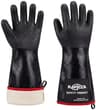
Take a metal bucket — not plastic — and half fill it with water. Wearing long gloves, lift the coals out with long tongs, one or two at a time, and drop them in. They will hiss and steam; that is expected and, done this way, contained. When the grate is clear, stir the bucket, and leave the soaked coals in it until you can dispose of them properly. Do not tip a bucket of wet ash into vegetation.
At a public site, check the rules first. Many parks provide a dedicated coal disposal bin precisely because this is a common problem, and using it is always the right answer where one exists.
The ash timeline, and why 48 hours
This is the part that causes actual house fires, and the mechanism is not obvious: a pile of ash is an excellent insulator. Embers buried inside it are protected from the air that would burn them out and from the cold that would extinguish them, so they can stay live for a remarkably long time after the surface feels cool.
So the rule is not “until it feels cold.” The rule is:
Cold ash into a metal container with a metal lid. Stand it on concrete or bare ground, away from the house, the fence, the shed and the bin store.
Leave it there for at least 48 hours. Then bin it or use it in the garden.
Never put ash into a paper sack, a cardboard box, a plastic wheelie bin or a wooden container, however cold it feels. And never leave a grill full of ash inside a garage or a shed while it is still warm.
Reusing what's left
Once everything is cold, do this before your next cook:
Sift. Stir the bed and let the fine ash fall through the charcoal grate, or tip the whole lot into a bucket and pick out the big pieces. Fine ash left sitting under the fuel blocks the airflow from your bottom vent, and a grill that will not get hot is very often a grill full of ash.
Keep the lumps. Anything bigger than a walnut is fuel. Half-burnt charcoal has already been dried and partly gassed off, so it takes flame quickly.
Top up with fresh.Put the old pieces at the bottom, new charcoal on top, light as usual. If the leftovers have been sitting in a damp grill for weeks they will have absorbed moisture and will behave badly — which is the same reason storing charcoal dry matters so much.
What to do with the ash
The garden, in small amounts.Ash from plain lump or plain briquettes is alkaline and carries potassium. Sprinkled thinly on a compost heap or dug into a vegetable bed it is a mild soil amendment. Keep it well away from acid-loving plants — blueberries, azaleas, rhododendrons — and do not tip a whole grill’s worth in one spot.
The bin, if there is any doubt.If the bag was self-lighting charcoal, or you cannot remember what you burnt, household waste is the right destination. Same if you have burnt anything that was not fuel — treated timber, painted wood, or a foil tray that has broken up in the fire.
Not down the drain, ever. Wet ash sets. It is cement in a pipe.
The one thing you must never do
Do not bring a grill indoors — into a garage, a porch, a tent or a shed — to finish cooling. Charcoal produces carbon monoxide as it burns and as it dies down, and carbon monoxide is odorless. It is the single most dangerous thing anyone does with a charcoal grill, and it is almost always done for a perfectly sensible-sounding reason: rain, wind, or wanting the patio clear.
A cooling grill belongs outside, on a non-combustible surface, with the vents shut. Our charcoal grill safety guidecovers the rest of it — balconies, garages, clearances and what to do about wind.