Coal & Char

Best Lump Charcoal

Natural hardwood lump burns hotter and cleaner than briquettes, with less ash — here are the bags worth buying, from budget everyday lump to premium chunks, with live prices.

By Stephen V.Last updated How we pick

Lump charcoal is the purist’s fuel: hardwood burned down to carbon with nothing added. It lights fast, burns hotter than briquettes, throws far less ash, and adds a subtle real-wood note to the food. That makes it the natural choice for a hard sear, for high-heat grilling, and for kamado grills, where clean, intense heat is the whole point.

The honest trade-offs are price and consistency. Lump costs more per pound than briquettes, burns through faster, and comes in uneven pieces — a mix of big chunks and small bits, which means the fire is a little less predictable on a long cook. These are the bags we would actually buy, ranked by how much clean, hot burn you get per dollar. Every price is live from Amazon and dated. If you want the steadier, cheaper option for long low-and-slow cooks instead, see our best briquettes guide.

How this is funded:we earn a commission if you buy through our links, at no extra cost to you. It never changes which grill we recommend, and we’ll tell you when we’d skip one. Full disclosure.

Quick picks

Ranked on published specs, beginner-friendliness and value. Select a row to jump to the full write-up. We haven’t cooked on every one of these — here is exactly what we do instead.

#ProductBest forPrice
1
Jealous Devil Chunx XL Lump Charcoal (35 lb)

Jealous Devil Chunx XL Lump Charcoal (35 lb)

The lump serious cooks reach for. Big, dense South American hardwood chunks that burn hot, run long and throw very little ash or spark — which is exactly what you want in a kamado or for a hard sear. It costs more than grocery-store lump, but a 35-lb bag of big chunks goes a long way.

Best overall lump
$52.99 · View on Amazon

Price as of July 22, 2026. #ad How we’re funded

2
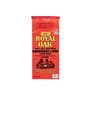
Royal Oak Lump Charcoal (hardwood)

Royal Oak Lump Charcoal (hardwood)

The value lump you'll actually find at the store. Royal Oak is real hardwood lump that lights fast, burns hot and costs little — the sensible everyday choice if you want lump's cleaner flavor and quick high heat without paying premium-brand prices. Piece size is inconsistent, which is the honest trade for the price.

Best value lump
$43.49 · View on Amazon

Price as of July 22, 2026. #ad How we’re funded

3
FOGO Super Premium Hardwood Lump Charcoal

FOGO Super Premium Hardwood Lump Charcoal

Restaurant-grade lump in a home bag. FOGO Super Premium is large, dense Central American hardwood that lights quickly for lump this size and holds a clean, high heat — a favorite for steakhouse-style searing and kamado cooks. Like all premium lump, you pay for the density and the low ash.

Best for high heat
$55.95 · View on Amazon

$74.1325% off

Price as of July 22, 2026. #ad How we’re funded

The picks in full

#1Best overall lump

Jealous Devil Chunx XL Lump Charcoal (35 lb)

The lump serious cooks reach for. Big, dense South American hardwood chunks that burn hot, run long and throw very little ash or spark — which is exactly what you want in a kamado or for a hard sear. It costs more than grocery-store lump, but a 35-lb bag of big chunks goes a long way.

What’s good

  • Dense hardwood burns hotter and longer than cheap lump
  • Very low ash and almost no sparking or popping
  • Big XL chunks are easy to arrange for a long, controlled burn

Trade-offs

  • Priciest lump here — overkill for a quick weeknight burger
  • Big pieces can need breaking up for a small grill
TypeLump hardwood (XL chunks)
Bag weight35 lb
Best forSearing, kamados, long high-heat cooks
Ash / sparkingVery low (per listing)

Specs read from the product listing, on July 21, 2026. “Not published” means the maker doesn’t state that figure there.

#2Best value lump

Royal Oak Lump Charcoal (hardwood)

The value lump you'll actually find at the store. Royal Oak is real hardwood lump that lights fast, burns hot and costs little — the sensible everyday choice if you want lump's cleaner flavor and quick high heat without paying premium-brand prices. Piece size is inconsistent, which is the honest trade for the price.

What’s good

  • Real hardwood lump at a budget price
  • Lights fast and reaches searing heat quickly
  • Widely stocked, so it's easy to reorder

Trade-offs

  • Inconsistent piece size — some dust and small bits in the bag
  • Burns faster than premium dense lump on long cooks
TypeLump hardwood
Bag weightNot published
Best forEveryday grilling, fast high heat
LightingFast

Specs read from the product listing, on July 21, 2026. “Not published” means the maker doesn’t state that figure there.

#3Best for high heat

FOGO Super Premium Hardwood Lump Charcoal

Restaurant-grade lump in a home bag. FOGO Super Premium is large, dense Central American hardwood that lights quickly for lump this size and holds a clean, high heat — a favorite for steakhouse-style searing and kamado cooks. Like all premium lump, you pay for the density and the low ash.

What’s good

  • Large, dense pieces burn hot and clean
  • Lights faster than most lump its size
  • Neutral hardwood flavor that doesn't fight the food

Trade-offs

  • Premium price per pound
  • Large chunks may need breaking for a small kettle
TypeLump hardwood (large)
Bag weightNot published
Best forSearing, kamados, clean high heat
AshLow (per listing)

Specs read from the product listing, on July 21, 2026. “Not published” means the maker doesn’t state that figure there.

What to look for in lump charcoal

Density.Denser hardwood lump burns hotter and, more importantly, longer — so a pricier dense bag can cost less per cook than a light, fast-burning one. Woods like oak, hickory and dense South American hardwoods hold heat well; softer, lighter lump flares up and fades fast.

Piece size. Big, uniform chunks are easier to arrange for a long, controlled burn and leave fewer small bits to fall through the grate. A bag that is mostly dust and shards is frustrating to light evenly. Premium bags advertise large pieces for exactly this reason; budget lump is more of a mixed bag, literally.

Ash and sparking.One of lump’s big advantages is that it produces much less ash than briquettes, so it chokes the fire less and cleans up faster. Some cheaper lump sparks and pops when it first catches — harmless, but a reason to wear a glove and stand back when you pour it. Premium lump is generally low-spark and low-ash.

Whatever bag you choose, light it with a chimney starter, never lighter fluid. Lump lights fast in a chimney, and skipping the fluid is what keeps that clean hardwood flavor intact.

Frequently asked questions

Is lump charcoal better than briquettes?

For high-heat searing and kamado cooking, yes — lump burns hotter and cleaner, lights faster and leaves far less ash. For long, steady low-and-slow cooks and for beginners, briquettes are often the better pick because they hold a predictable temperature longer and cost less. It's about the job, not one being universally better.

Does lump charcoal burn hotter than briquettes?

Yes. Because it's pure hardwood with no fillers or binders, lump reaches a higher peak temperature and does it faster, which is why it's favored for steakhouse-style searing and kamados. The trade-off is that it also burns through more quickly than a comparable amount of briquettes.

How long does lump charcoal last on the grill?

It depends heavily on density: a light, budget lump might give you an hour or so of strong heat, while dense premium lump in a well-controlled kamado can run for many hours on a single load. Lump generally burns faster than briquettes for the same weight, so for very long cooks many people add coals or lean toward briquettes.

Can you use lump charcoal in any grill?

Yes. Lump works in kettles, kamados, portable grills and most smokers. It shines in kamados and for searing thanks to its high, clean heat. The only thing to watch is that big chunks may need breaking up to fit a small grate, and its faster burn means you tend the fire a little more on long cooks.

Sources

  • USDA FSIS — Grilling Food SafelyUSDA on safe handling at the grill, using a food thermometer, and the difference between grilling and slower cooking (accessed July 21, 2026)

Keep reading